Boarding House Blues

Plus ça change, plus c'est la même chose. The more things change, the more they stay the same. That saying sounds prophetic when it comes to politics, especially if you look back to 1924.
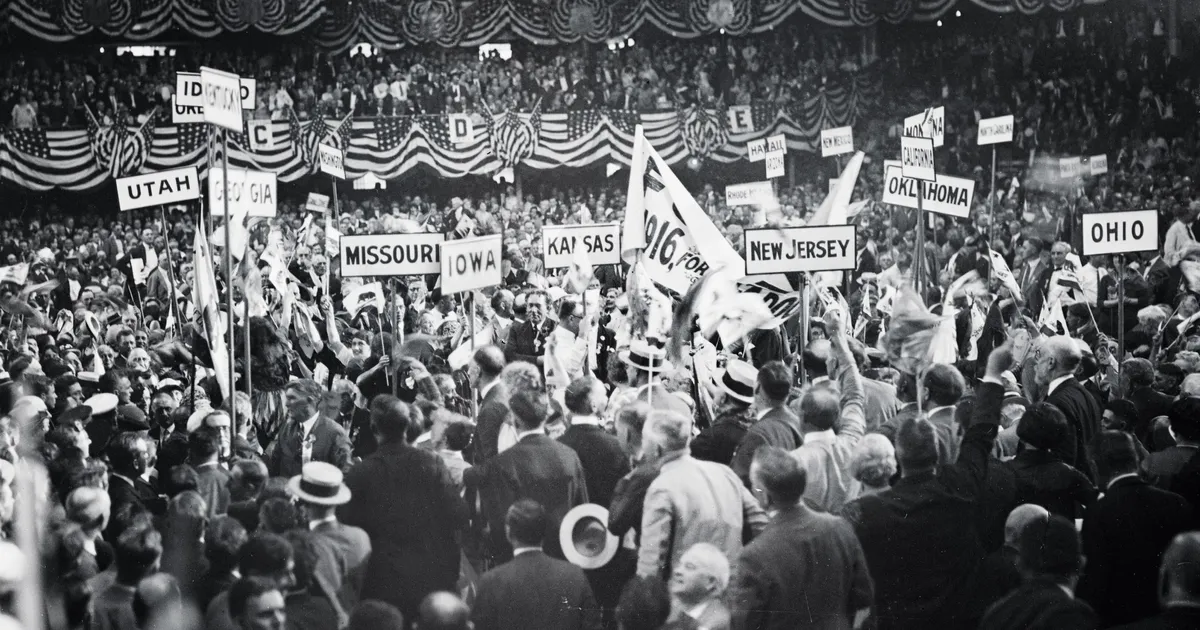
The 1924 Democratic National Convention, held at Madison Square Garden in New York City, ran from June 24 to July 9, 1924, making it the longest continuously running convention in US political history. It took a record 103 ballots to nominate a presidential candidate.
The "contenders" for nomination were former Woodrow Wilson Cabinet member (and son-in-law) William G. McAdoo and New York Governor Al Smith, but the battle was really two of the most powerful trends of the 1920s: the increasing political power of urban immigrants, and the increasing influence of the Ku Klux Klan.
The 1924 convention is often called the “Klanbake” due to the fact that McAdoo, a conservative lawyer and former Wilson Cabinet member—Protestant, prohibitionist, anti-machine politics—was supported by the Ku Klux Klan. Governor Al Smith—Catholic, anti-prohibition, pro-labor, pro-immigrant—represented the party’s anti-Klan wing. Smith and his faction failed—by a single vote—to pass a platform plank condemning the Klan. It should be noted that the convention had no Black delegates.
A two-thirds vote was needed to win the nomination, but McAdoo and Smith essentially canceled each other out, and the scores of “favorite sons” placed into nomination prevented either man from collecting even a simple majority of votes. A total of 19 candidates got votes on the first ballot. By the last ballot, 60 different candidates had received a delegate’s vote.
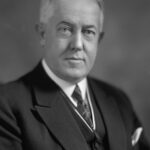 After 103 ballots over 16 days, the candidate was neither Smith nor McAdoo, but a compromise entrant, John W. Davis of West Virginia. Davis was a politician, diplomat and lawyer who served as the Solicitor General of the US and the US Ambassador to the UK under Woodrow Wilson. Charles W. Bryan, Governor of Nebraska, emerged as the vice-presidential nominee.
In November, Davis collected only 28.8% of the vote against the winner, Republican President Calvin Coolidge's 54%.
Part of the Party's platform, published on the convention's opening day, read:
The democratic party believes in equal rights to all and special privilege to none. The republican party holds that special privileges are essential to national prosperity. It believes that national prosperity must originate with the special interests and seep down through the channels of trade to the less favored industries to the wage earners and small salaried employees. It has accordingly enthroned privilege and nurtured selfishness.
The republican party is concerned chiefly with material things; the democratic party is concerned chiefly with human rights. The masses, burdened by discriminating laws and unjust administration, are demanding relief. The favored special interests, represented by the republican party, contented with their unjust privileges, are demanding that no change be made. The democratic party stands for remedial legislation and progress. The republican party stands still.
Fun fact: Franklin D. Roosevelt served as Smith's campaign manager and gave his nominating speech. FDR would be nominated and elected 8 years later.
Fun fact: In 1924, 3-6 million Americans were members of the Klan. Governors of Oregon, Colorado, and Kansas were elected with Klan support in the early 1920s; the Governor of Indiana was an outright Klansman.